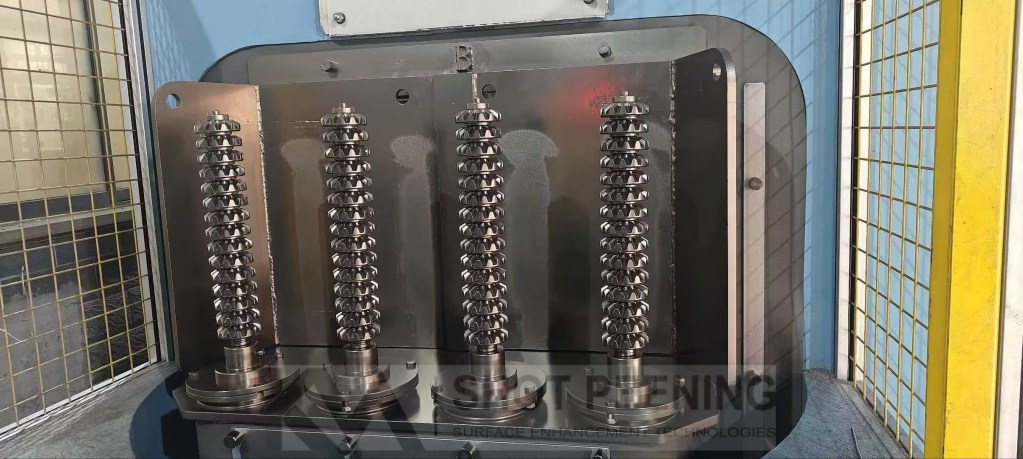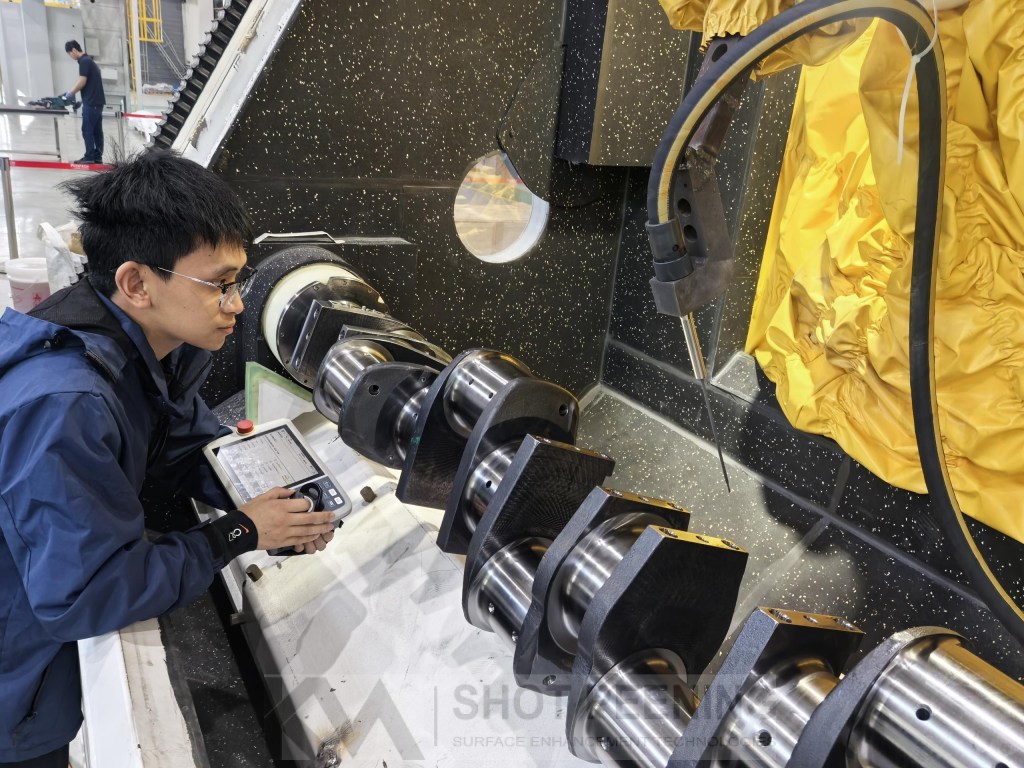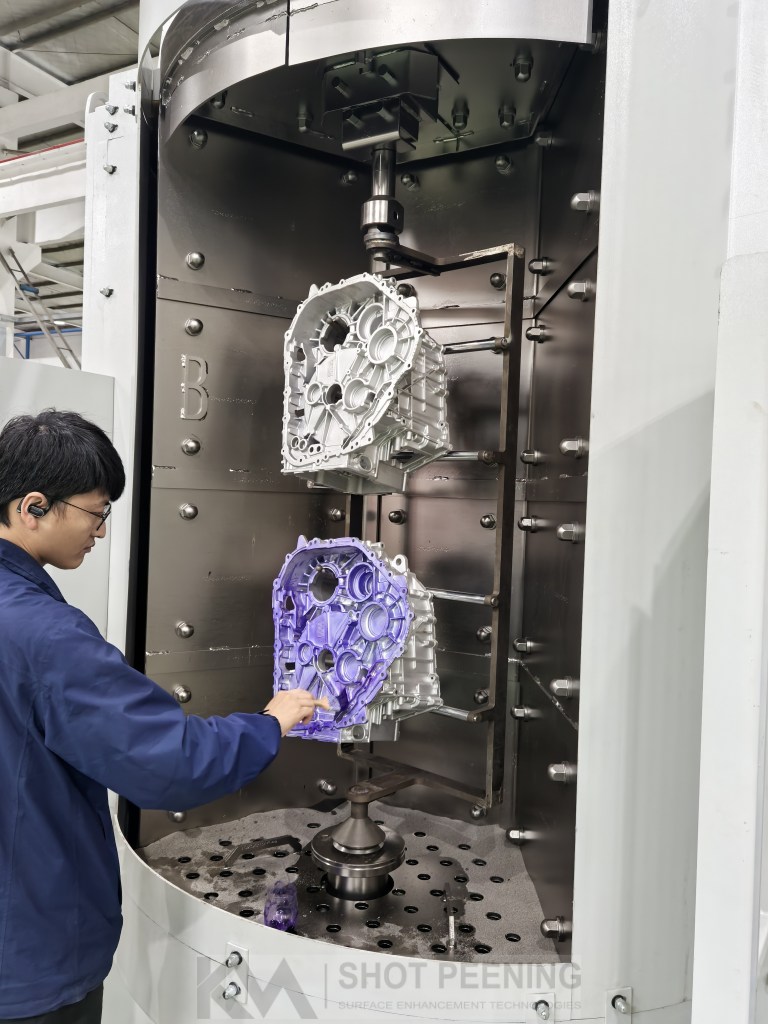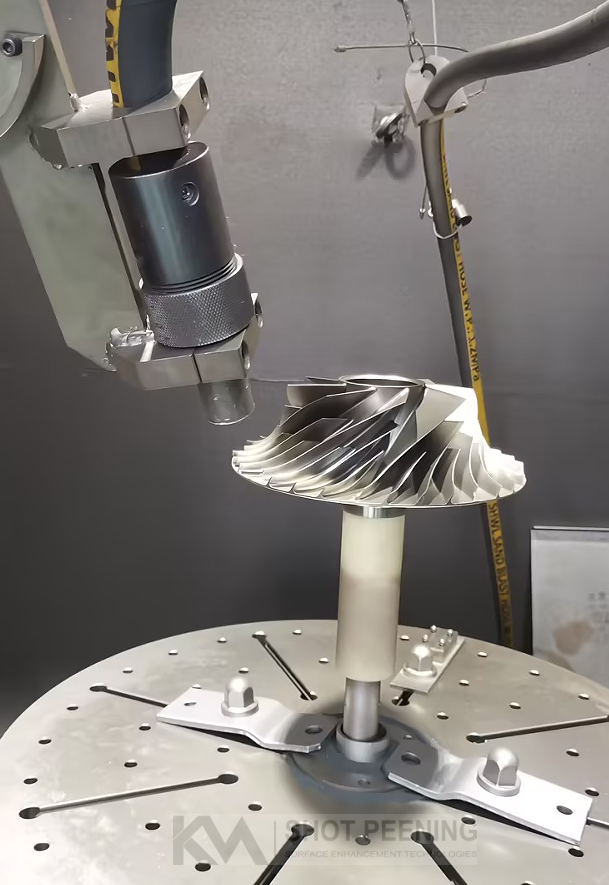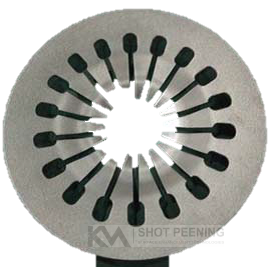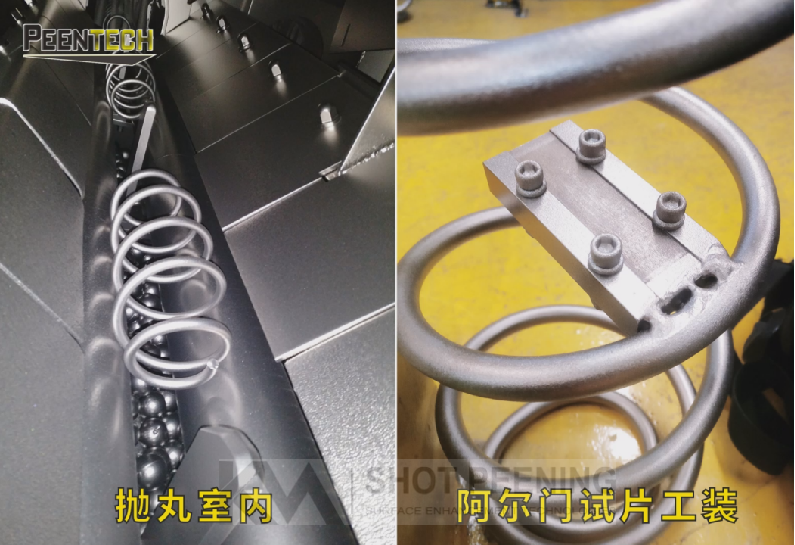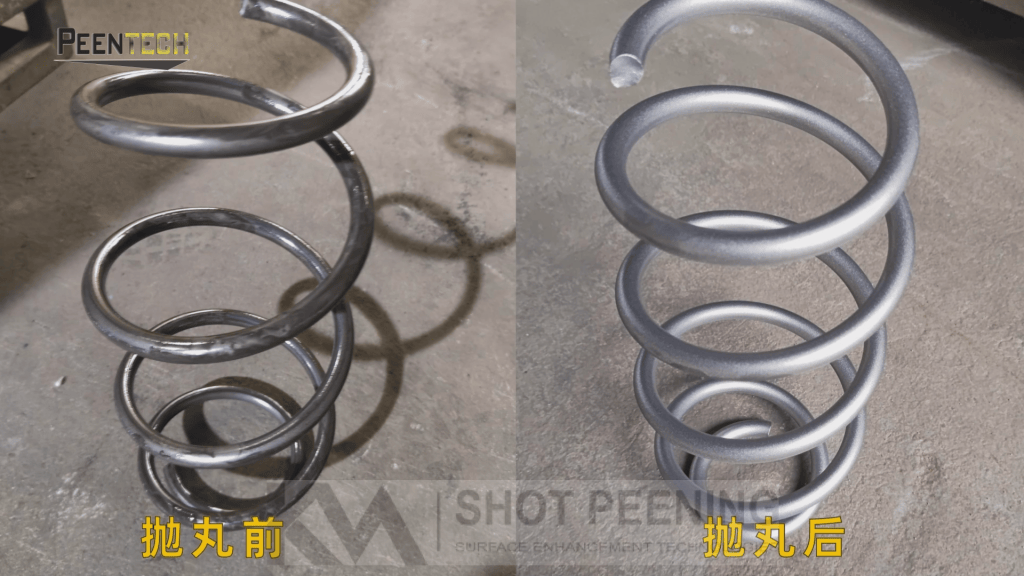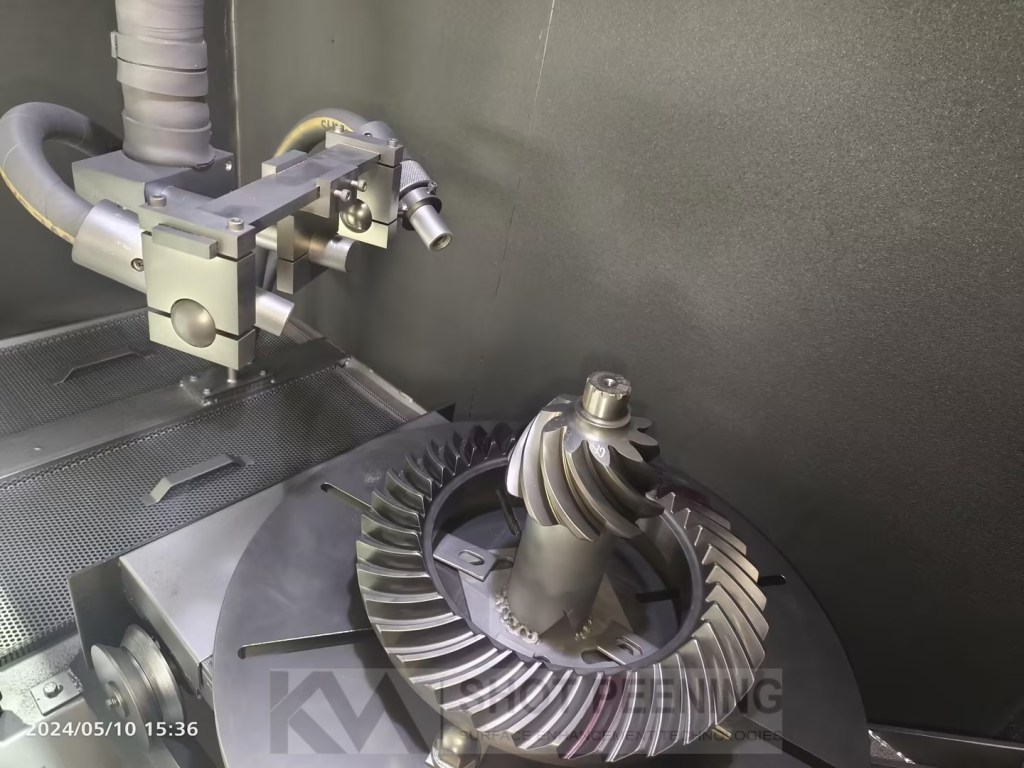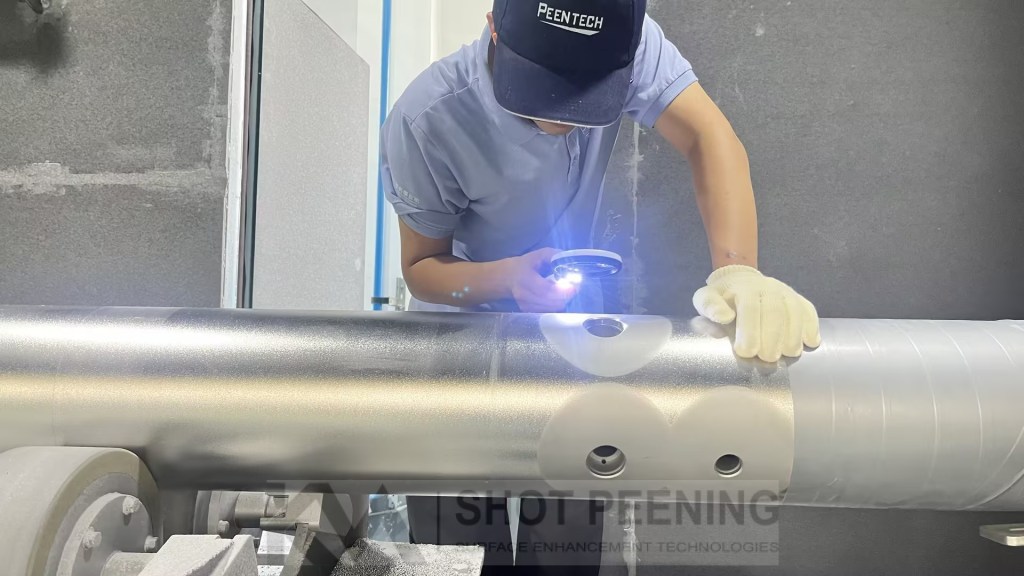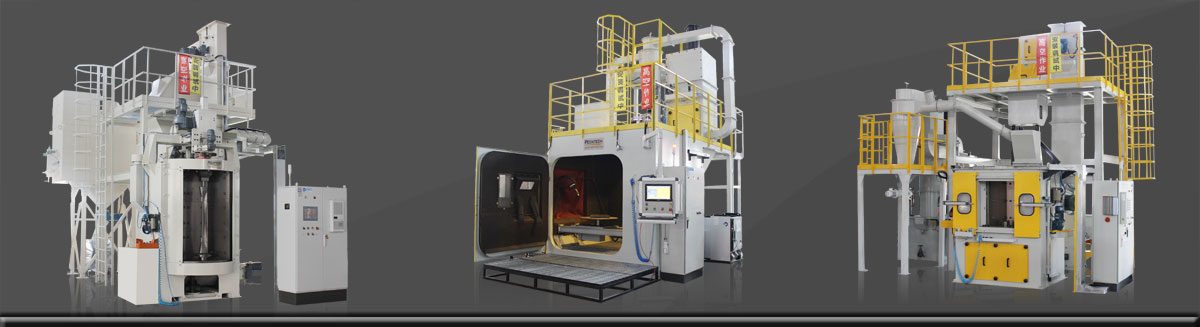

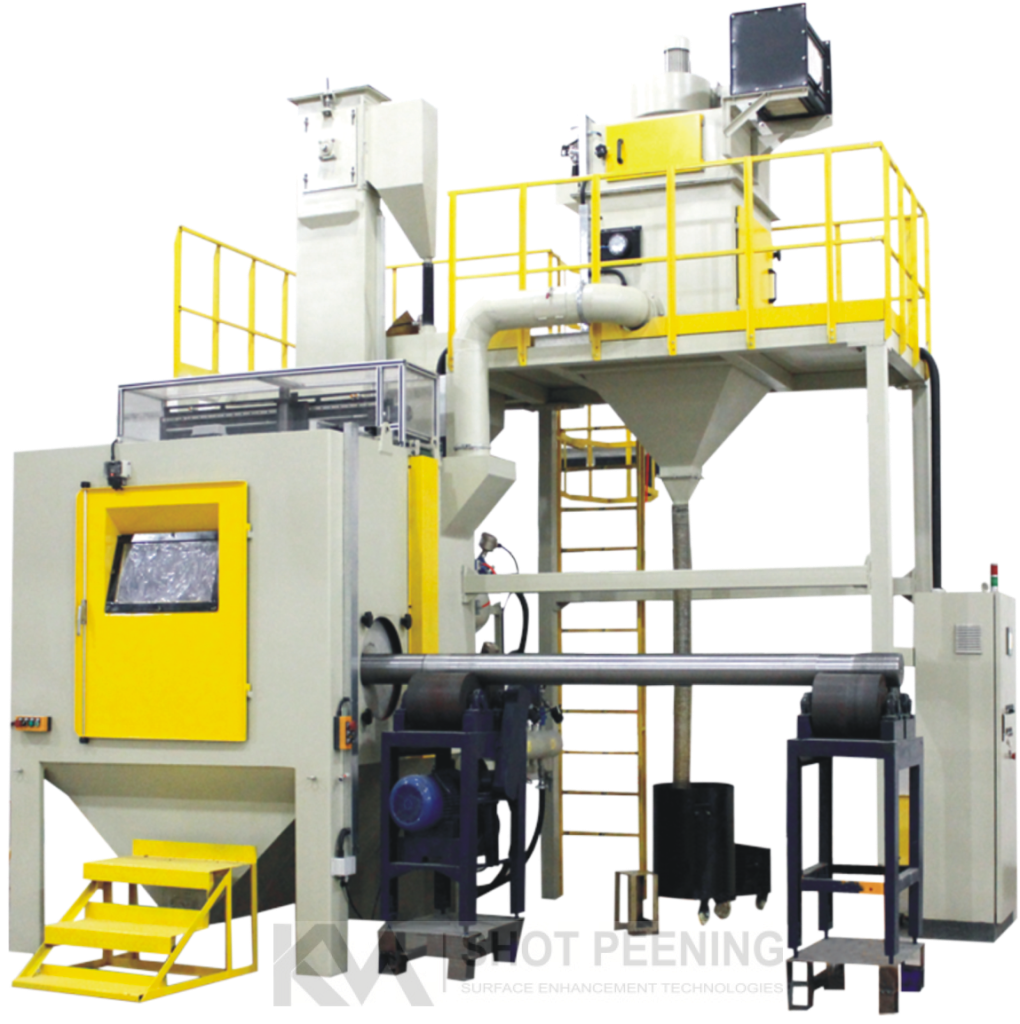
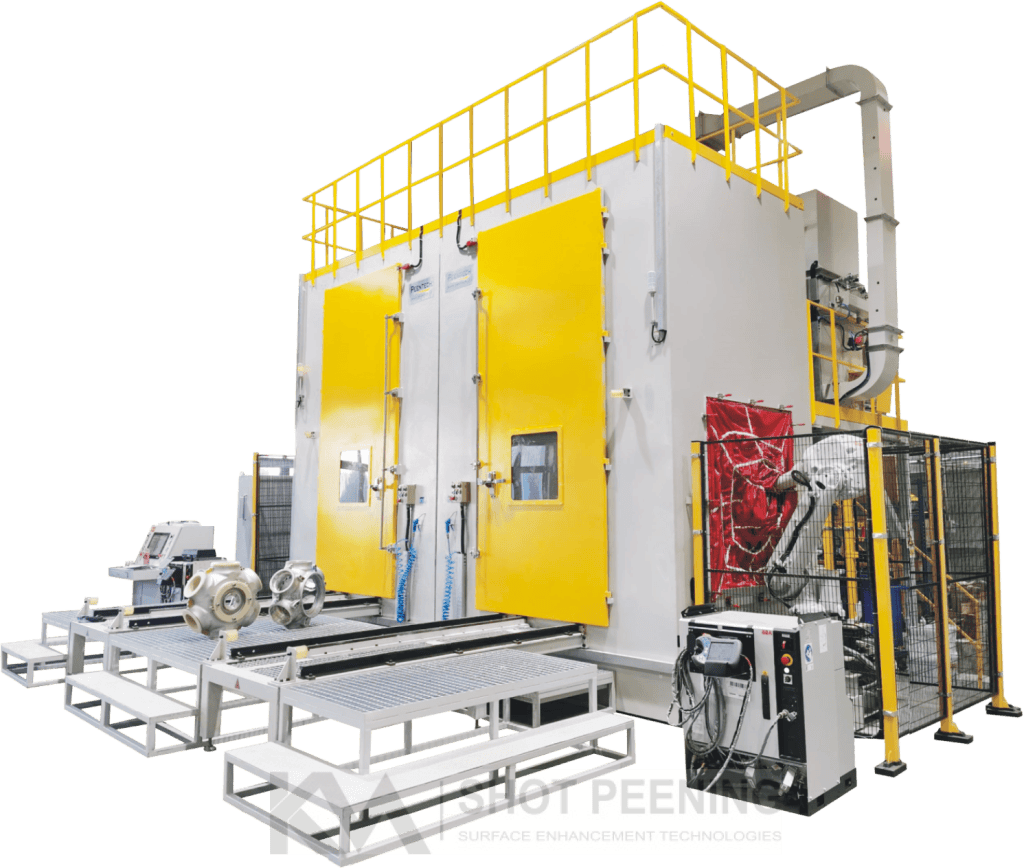
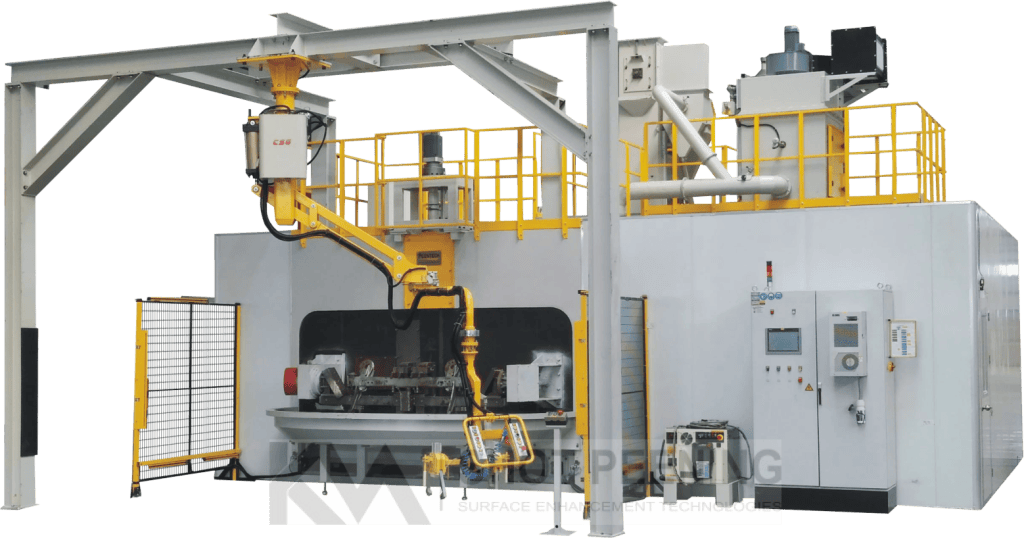
Shot peening is a necessary, even mandatory, manufacturing process for many critical parts produced in the defense industry. This is because these parts operate under high dynamic loads, impact, vibration, and repetitive fatigue stresses. Shot peening delays crack formation and increases the reliability of the part by creating compressive residual stresses on the surface. In the defense industry, shot peening is a strategic surface treatment process for critical parts requiring high reliability. When applied with the correct Almen strength, appropriate shot selection, and at least 100% surface coverage, it significantly increases the fatigue life of the parts and reduces the risk of premature damage during operation. Therefore, it is considered an important manufacturing step in the defense sector in terms of both performance and safety.
Shot Peening Applied Defense Industry Parts
Land Systems
- Tank Suspension Systems
- Torsion Bars
- Track Connectors
- Gears
- Transmission Components
- Axles and Shafts
- Differential Parts
- Weapon Mechanism Parts
- Springs and Locking Mechanisms
Air Systems
- Landing Gear Parts
- Engine Components
- Turbine Discs
- Compressor Blades
- Gears
- Actuator Parts
- Titanium and High-Strength Steel Parts
Marine Systems
- Propeller Shafts
- Gearboxes
- Shafts
- Pump Components
- Turbine Parts
- Critical Parts Exposed to the Marine Environment
Missile and Rocket Systems
- Rocket Engine Parts
- Nozzle Components
- Control Mechanisms
- Propulsion System Parts
- Fasteners
- Springs
Weapon Systems
- Locking Mechanisms
- Bolts and Slides Systems
- Barrel connection parts
- Recoil mechanism elements
- Trigger mechanism parts
Shot peening provides the following advantages:
- Significantly increases fatigue life.
- Delays crack formation.
- Slows crack propagation.
- Increases impact resistance.
- Increases resistance to stress corrosion cracking.
- Increases the reliability of critical mission parts.
- Extends maintenance intervals.
- Reduces life cycle costs by increasing part life.
In the defense industry, shot peening is commonly applied to the following materials:
High-strength steels
Stainless steels
Titanium alloys
Nickel-based superalloys
Aluminum alloys
Maraging steels